Table Of Content

As a visitor, you experience this story through quotes, photos, videos, and original items.
Inside the museum
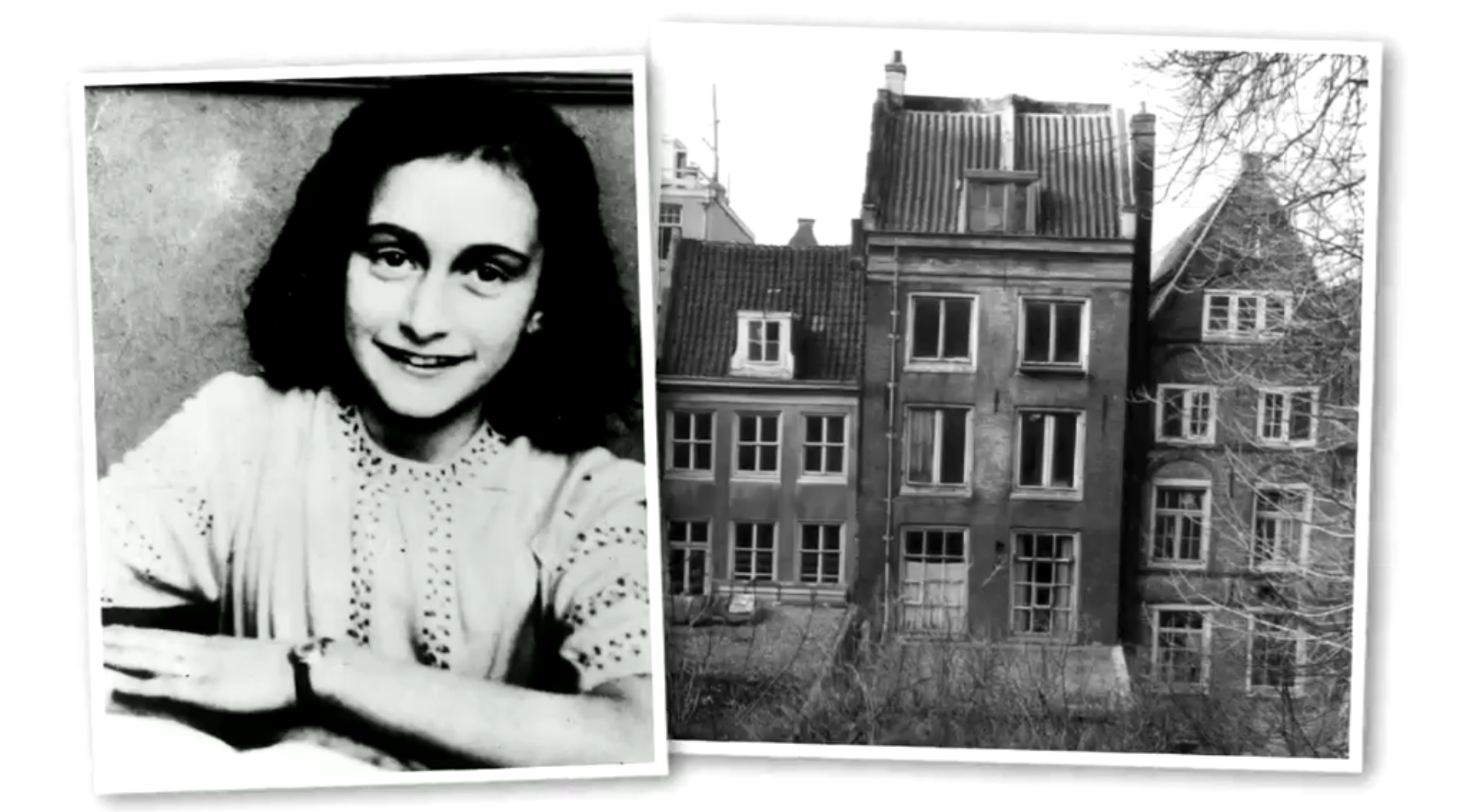
In October of that year, the company who owned it donated the building to the foundation as a goodwill gesture. The collected funds were then used to purchase the house next door, Number 265, shortly before the remaining buildings on the block were pulled down as planned. After exiting the theatre, visitors can see the infinity wall is as black as coal.
Anne Frank House opening times
Anne's original diary and other notebooks are on display in the museum. In the multimedia space, visitors can go on a "virtual journey" through the Anne Frank House, accessing background information about the people in hiding and World War Two. A contemporary exhibition is presented in the exhibition hall. For more than two years Anne Frank and her family lived in a hidden room of the building at Prinsengracht 263. The Van Pels family and Fritz Pfeffer lived there with them.
Museum
The Anne Frank House was established on 3 May 1957 in cooperation with Otto Frank, Anne Frank’s father. We are an independent non-profit organisation that runs a museum in the house where Anne Frank went into hiding and we try to increase awareness of Anne’s life story all over the world. The house is inhabited and therefore not open to the public. The Anne Frank House acquired the house in 2017 and lets it to the Dutch Foundation for Literature, which invites a new ‘refugee writer’ to live there every year. These ‘refugee writers’ are foreign writers who cannot work freely in their own countries.
Amstelkring Museum
On display is a concentration camp uniform, while nearby four video screens tell the final, terrible chapter of Anne Frank’s story. Anne and those hiding with her were betrayed by an informant, who remains unknown to this day. On August 4, 1944, the Secret Annex was raided and the group was arrested.
He was renting the building from Wessels, the owner, and they had agreed upon his right of first refusal. However, they lacked the funds for proper restoration work.In 1954, Otto Frank reluctantly sold the building to Berghaus. Demolition seemed inevitable, the former hiding place was completely empty and dilapidated. The Anne Frank Foundation was established on 3 May 1957 in cooperation with Otto Frank, Anne Frank's father, with the primary aim of collecting enough funds to purchase and restore the building.
The house is an old canal-side property and as such has steep stairs and there’s no elevator to access the upper levels. The museum is small and only a limited amount of people is allowed in at one time. This means you should buy your tickets as soon as they are available on the official website.
From 1933 to 1942, before Anne Frank and her family had to go into hiding, she lived with her parents and sister at Merwedeplein square in Amsterdam. They lived a happy life, until the Netherlands was occupied by Nazi Germany. After going into hiding in 1942, they would never return to this address.After the Frank family had left, several other families lived at Merwedeplein 37-2. In 2004, housing cooperation Ymere, in collaboration with the Anne Frank House, restored the house to its original 1930s style.
‘Before the diary’: new novel about Anne Frank’s life to be published in September - The Guardian
‘Before the diary’: new novel about Anne Frank’s life to be published in September.
Posted: Fri, 05 Jan 2024 08:00:00 GMT [source]
Museum Van Loon
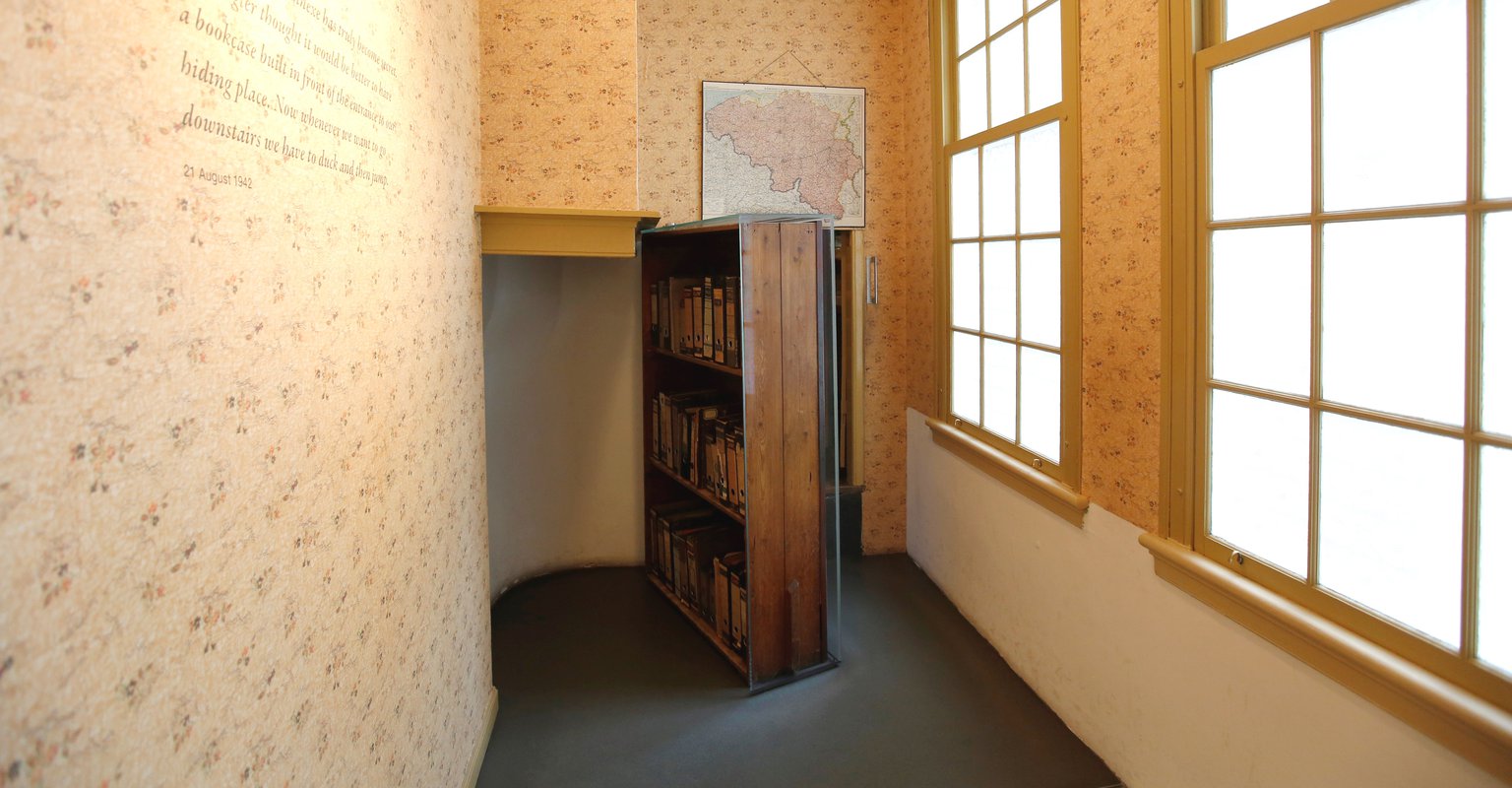
The front of the house showcases a variety of different items from the family’s time living in the annex. The annex’s attic was the only room in the house that did not have blacked-out windows. Up here the families would hang out their laundry to dry and keep their food supplies safe. The Secret Annex is where all eight people lived in secret. Tucked away over the kitchen of the office and below the attic, entering the annex feels as though you’re stepping back in time to 1942.
In 1940 he moved his food products business to 263 Prinsengracht, a canal house that was originally built in 1635. Though the house was emptied by German troops after the raid, an employee, Miep Gies, was able to salvage the vivid diary that the lively teenage Anne had kept. Gies later gave it to Otto, the only one of the group to survive the extermination camps to which they had been sent. After the war, the previous hiding place at Prinsengracht 263 and the neighbouring properties had fallen into disrepair. In 1950, the Berghaus textile factory wanted to buy the houses on the corner of the Prinsengracht and the Westermarkt. Berghaus planned to demolish the buildings and construct a new factory building.Otto Frank struggled when the demolition was announced.
Here, you can buy The Diary of Anne Frank, the museum catalogue, postcards, or one of our many other publications. Your purchase helps the Anne Frank House conserve the museum and contributes to our (educational) activities.The museum shop keeps the same opening hours as the museum and can only be accessed through the museum. The range of items sold in our shop is also available online. The entire museum, which occupies the three adjacent buildings on the street front of Prinsengracht 263 to 267,[1] opened on 3 May 1960. It preserves the hiding place (the Secret Annex at rear of 263), with the other buildings expanding the permanent exhibition on the life and times of Anne Frank, and has an exhibition space about all forms of persecution and discrimination. In 2017, the museum had 1.27 million visitors and was the third most visited museum in the Netherlands, after the Van Gogh Museum and the Rijksmuseum.




No comments:
Post a Comment